Why is my wood fence peeling after staining?
Learn why your wood fence is peeling after staining and how to prevent it from happening again in University Park.
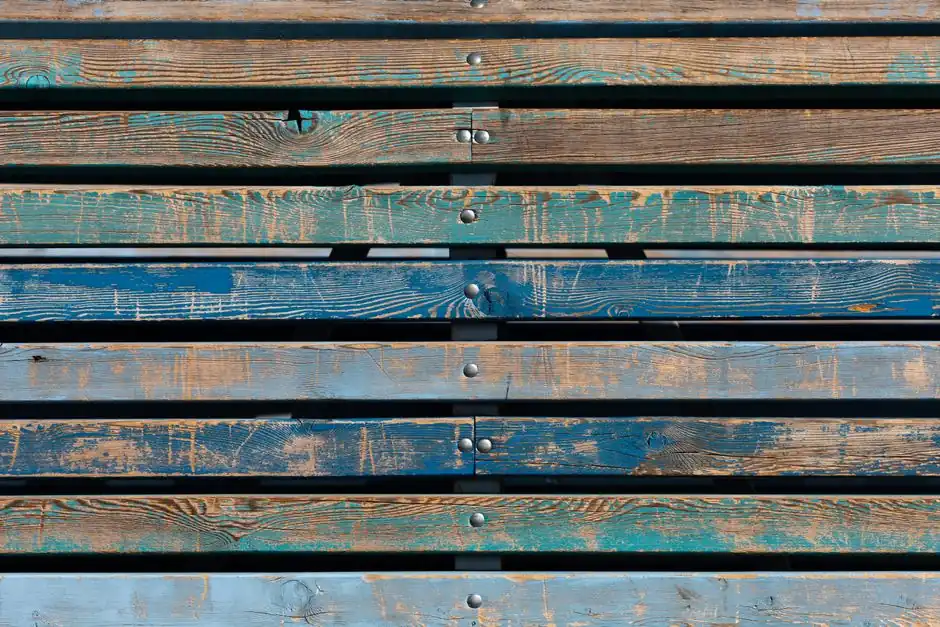
Peeling after staining is a common issue that can stem from several factors, including improper application or environmental conditions. Understanding these causes can help you maintain the integrity of your wood fence in University Park.
Wood fence staining is a process that enhances the appearance of wood while protecting it from the elements. However, when the stain begins to peel, it not only detracts from the fence's aesthetic but can also lead to more significant damage if not addressed.
What Causes Peeling After Staining?
Several factors contribute to the peeling of stained wood fences. The most common causes include:
- Moisture Content: Wood that is too wet or too dry can affect stain adhesion.
- Improper Surface Preparation: Failing to clean or sand the wood before staining can prevent proper bonding.
- Incompatible Products: Using a stain that is not suitable for the specific type of wood can lead to peeling.
- Environmental Conditions: Staining in high humidity or extreme temperatures can hinder drying time and adhesion.
In University Park, the humid subtropical climate can contribute to these issues, especially during the summer months. It's essential to monitor weather conditions before undertaking any staining project.
How to Properly Stain a Wood Fence
To ensure a successful stain application and minimize peeling, follow these steps:
- Choose the Right Time: Aim for a dry, mild day, ideally with temperatures between 50°F and 85°F.
- Prepare the Surface: Clean the fence with a power washer or scrub brush and let it dry completely. Sand rough areas to create a smooth surface.
- Select the Appropriate Stain: Use a stain designed for exterior wood that matches your fence material.
- Apply Evenly: Use a brush or sprayer to apply the stain evenly, working in sections to avoid lap marks.
- Follow Up with Sealant: After the stain has dried, consider applying a sealant for added protection.
By following these steps, you can significantly reduce the likelihood of peeling and prolong the life of your wood fence.
Common Mistakes to Avoid
Many homeowners make mistakes that can lead to peeling. Here are some common pitfalls:
- Skipping Cleaning: Neglecting to clean the fence can trap dirt and moisture, leading to poor adhesion.
- Overapplying Stain: Applying too much stain can result in a thick layer that is prone to peeling.
- Ignoring Manufacturer Instructions: Each stain has specific application guidelines that should be followed closely.
Being aware of these mistakes can save you time and money in the long run.
When to Call a Professional
If you encounter persistent peeling or are unsure about how to proceed, it might be time to consult a professional. University Park Fence Staining Co. can provide expert advice and services tailored to your specific needs, ensuring your fence receives the best care possible.
Frequently Asked Questions
1. How long should I wait to stain my fence after installation?
It's advisable to wait at least 6 months after installation for the wood to dry and settle before staining.
2. Can I stain my fence in the rain?
No, staining in the rain can prevent proper adhesion and lead to peeling. Wait for dry weather.
3. How often should I stain my wood fence?
Typically, wood fences should be stained every 2-3 years, depending on weather exposure and wear.
4. What is the average cost of wood fence staining in University Park?
The average cost ranges from $1.50 to $3.50 per square foot in 2026, depending on the size and condition of your fence.
5. Can I use a transparent stain on my fence?
Yes, transparent stains can enhance the natural beauty of the wood, but they may require more frequent reapplication.