How to properly stain a wood fence in University Park
This guide covers the steps to properly stain a wood fence in University Park, Texas, ensuring longevity and aesthetic appeal.
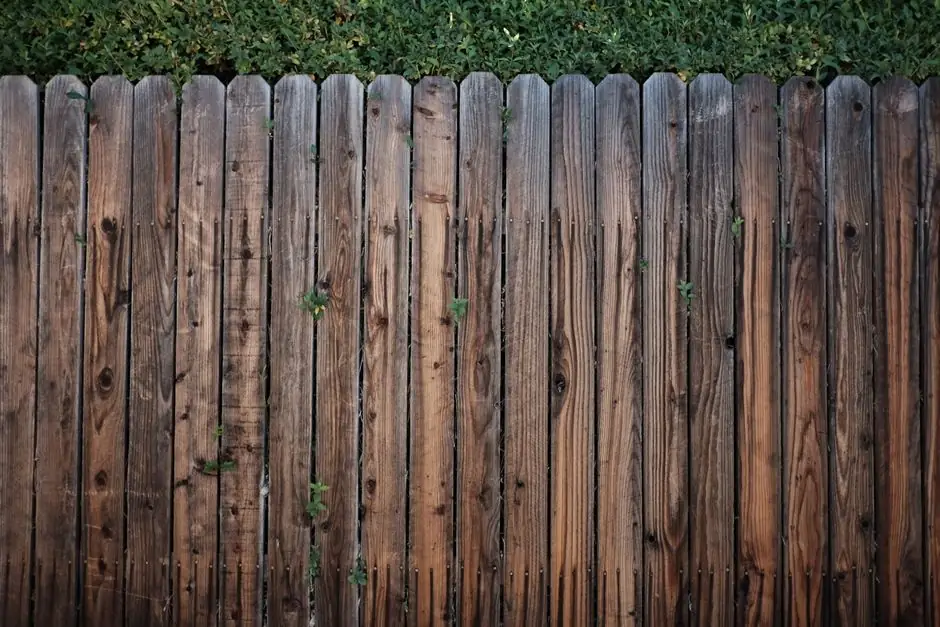
Properly staining a wood fence in University Park involves several key steps to ensure the wood remains protected and attractive. The process not only enhances the aesthetic of your property but also prolongs the life of your fence.
Wood fence staining is a protective treatment that involves applying a stain to wood surfaces to enhance their appearance and durability. This guide will walk you through the entire process, from preparation to application, ensuring your fence looks its best.
Why is staining important?
Staining your wood fence is crucial for its longevity. A well-stained fence can resist moisture, UV rays, and pests, which are common issues in University Park due to the local climate. Without proper staining, wood can warp, crack, and rot, leading to costly repairs or replacements.
When is the best time to stain a wood fence?
The ideal time to stain a wood fence in University Park is during the late spring or early fall. These seasons typically provide mild temperatures and lower humidity levels, which are optimal for the stain to adhere properly and dry effectively.
How to prepare your wood fence for staining
Preparation is key to achieving a long-lasting finish. Start by cleaning the fence thoroughly to remove dirt, mold, and old stain. You can use a fence pressure washer for this task, as it effectively removes buildup without damaging the wood. After cleaning, allow the fence to dry completely for at least 24 hours.
Inspect for Damage
Before applying stain, inspect your fence for any damage. Look for loose boards, rusted nails, or signs of rot. If you find any issues, consider scheduling wood fence repair university park TX to address these problems before staining.
Steps to stain a wood fence
Once your fence is clean and dry, follow these steps to stain it effectively:
- Choose the Right Stain: Select a stain that suits your aesthetic and offers protection against the elements. Consider eco-friendly options for a sustainable choice.
- Test the Stain: Always test the stain on a small, inconspicuous area to ensure you like the color and finish.
- Apply the Stain: Use a brush, roller, or sprayer to apply the stain evenly. Start at the top and work your way down to prevent drips.
- Allow to Dry: Follow the manufacturer's instructions for drying times. Typically, you should allow at least 24 hours before applying a second coat.
- Inspect and Touch Up: After the stain has dried, inspect the fence for any missed spots or uneven areas and touch them up as needed.
Common mistakes to avoid
Many homeowners make mistakes that can affect the quality of their stain job. Here are some common pitfalls:
- Staining a wet fence: Always ensure your fence is completely dry before staining.
- Skipping cleaning: Failing to clean the fence can lead to poor adhesion of the stain.
- Using the wrong tools: Using inappropriate tools can lead to an uneven finish. Choose the right applicator for your chosen stain.
When to call a professional
If you feel overwhelmed by the staining process or if your fence requires repairs, consider contacting University Park Fence Staining Co. Our team specializes in wood fence staining university park TX and can help ensure your fence is both beautiful and protected.
Frequently Asked Questions
1. How long does stain last on a wood fence?
Typically, a good quality stain can last anywhere from 3 to 5 years, depending on weather conditions and maintenance.
2. Can I stain my fence in the winter?
It's not advisable to stain in winter due to low temperatures and moisture, which can affect the drying process.
3. How much does it cost to stain a wood fence?
The average cost for professional wood fence staining in University Park ranges from $1.50 to $4.00 per square foot in 2026.
4. Do I need to seal my fence after staining?
Sealing is not always necessary, but it can provide additional protection and prolong the life of the stain.
5. How can I tell if my fence needs staining?
If water no longer beads on the surface or if the color has faded significantly, it's time to consider staining.