How to choose the right stain color for your wood fence
Choosing the right stain color for your wood fence can enhance its appearance and durability. Learn how to make the best choice for your University Park home.
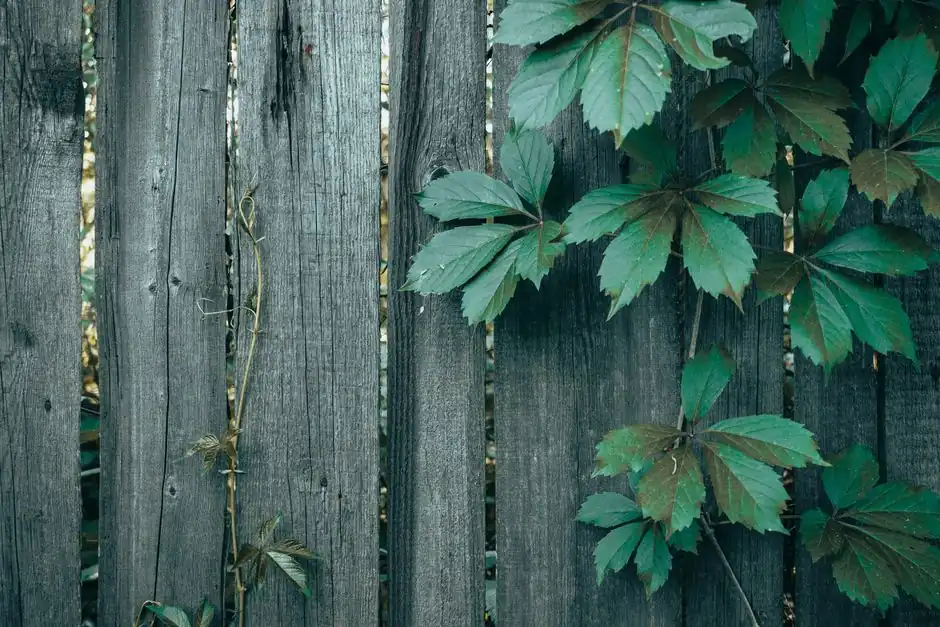
Choosing the right stain color for your wood fence enhances its visual appeal and protects it from the elements. In University Park, homeowners have various options to consider when selecting a stain color that suits their property and personal style.
This article explores the factors influencing stain color choice, popular options, and how to test colors before making a final decision.
Why Choose the Right Stain Color?
The right stain color for your wood fence is crucial for both aesthetics and protection. A well-chosen stain highlights the natural beauty of the wood while providing a protective barrier against UV rays, moisture, and pests.
Factors to Consider When Choosing Stain Color
Several factors influence the choice of stain color for your wood fence:
- Neighborhood Aesthetics: Look at the colors of neighboring fences and homes. Choosing a color that complements your surroundings can enhance curb appeal.
- Wood Type: Different types of wood absorb stain differently, affecting the final color. For instance, cedar tends to take on a richer hue than pine.
- Climate: In University Park, the Texas sun can fade colors quickly. Darker stains may offer better UV protection, while lighter colors might require more frequent reapplication.
- Personal Preference: Ultimately, your personal style should guide your choice. Consider how the color fits with your home's exterior and landscaping.
Popular Stain Colors for Wood Fences
Some popular stain colors among University Park homeowners include:
- Natural Cedar: This light, warm tone enhances the wood's grain and is a popular choice for a classic look.
- Dark Walnut: A rich, dark brown that provides a sophisticated appearance while offering excellent UV protection.
- Redwood: This vibrant color adds a warm touch and is particularly appealing against green landscapes.
- Charcoal Gray: A modern option that pairs well with contemporary homes and offers a sleek, stylish look.
How to Test Stain Colors
Testing stain colors before application is crucial to ensure you achieve the desired look. Here are steps to follow:
- Choose Sample Areas: Select small, inconspicuous areas of your fence to test different colors.
- Apply Samples: Use a brush to apply the stain samples. Allow them to dry completely, as the color often changes when wet versus dry.
- Observe at Different Times: Check how the colors look at different times of the day to see how sunlight affects the appearance.
Common Mistakes to Avoid
Many homeowners make mistakes when choosing stain colors. Here are some common pitfalls:
- Skipping the Test: Failing to test samples can lead to disappointment with the final result.
- Ignoring Maintenance: Lighter colors may require more frequent maintenance and reapplication than darker shades.
- Overlooking the Wood Type: Not considering how different woods absorb stain can result in unexpected colors.
When to Call a Professional
Consider hiring a professional when you feel uncertain about color choices or if the fence requires extensive preparation. University Park Fence Staining Co. offers color consultation for staining university park TX, helping you choose the right shade and ensuring a flawless application.
Frequently Asked Questions
What is the best stain color for a wood fence? The best stain color depends on your personal preference, wood type, and neighborhood aesthetics. Popular choices include natural cedar, dark walnut, and charcoal gray.
How often should I stain my wood fence? Typically, you should stain your wood fence every 2-3 years, but this can vary based on exposure to sunlight and weather conditions.
Can I change the color of my fence stain? Yes, you can change the color, but it may require stripping the old stain or applying a solid color stain over the previous one.
What is the cost of staining a wood fence in University Park? In 2026, the cost for professional wood fence staining ranges from $1.50 to $3.50 per square foot, depending on the stain type and fence condition.
How do I maintain my stained fence? Regular maintenance includes cleaning the fence annually and reapplying stain every few years to protect the wood and maintain color.
Get help with wood fence staining in University Park
If you need assistance in choosing the right stain color for your wood fence, contact us at University Park Fence Staining Co. for expert advice and professional services.